Does AI’s Push for Efficiency Accelerate Cultural Homogenization?
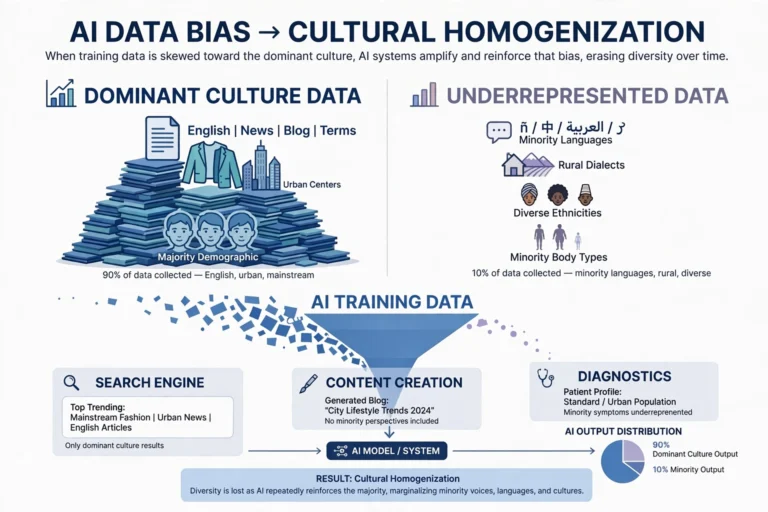
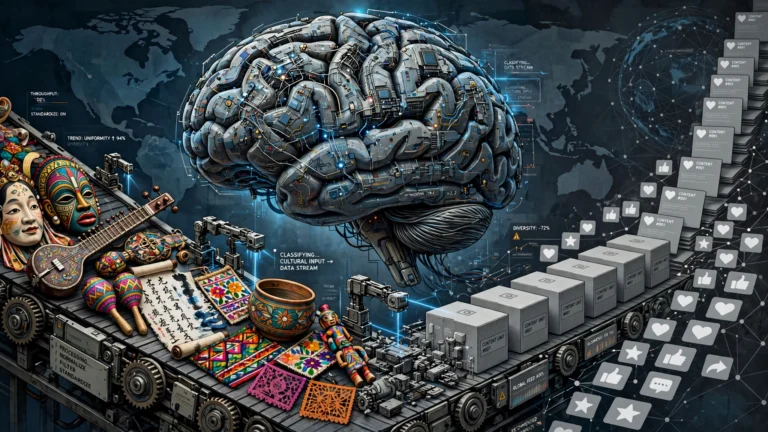
Artificial Intelligence fundamentally operates on efficiency and optimization. It excels at identifying patterns, streamlining processes, and delivering standardized results. This inherent drive can inadvertently fuel cultural homogenization.
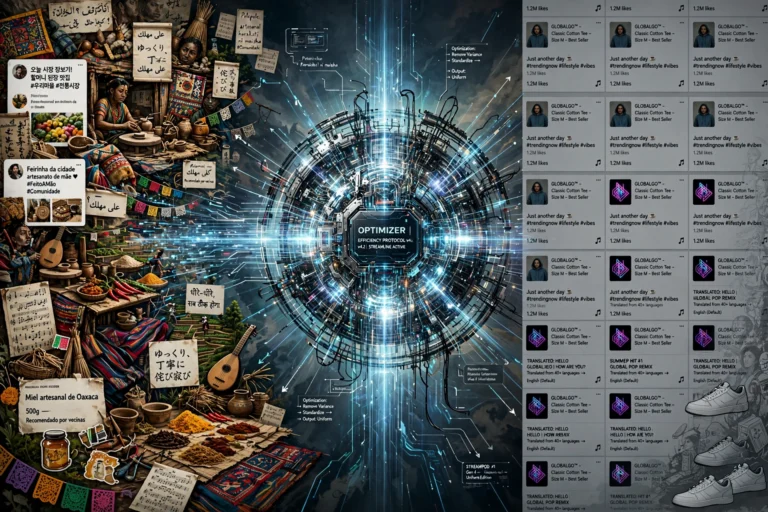
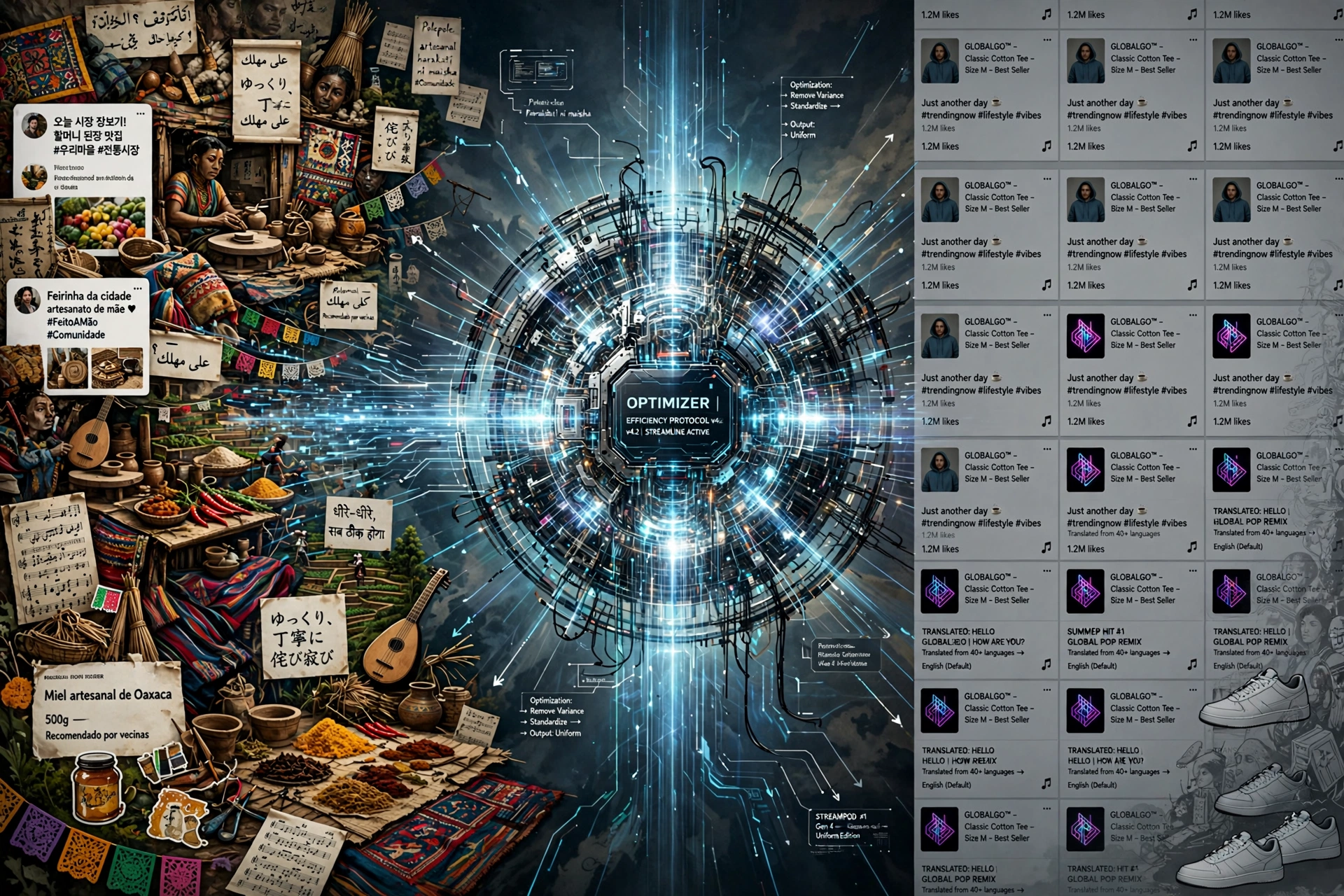
Consider the algorithms governing social media feeds or e-commerce product recommendations. They prioritize content and items proven to be popular or engaging at a large scale. This often favors globally recognized trends, brands, and language, pushing more unique, localized expressions down the digital ranks. Hyper-personalization algorithms, while seemingly tailored, often draw from vast pools of existing popular content, merely mixing and matching the familiar rather than generating truly novel cultural expressions specific to a user’s unique context.
In the creative sphere, AI tools can produce music, art, or text that mimics popular styles or genres. While potentially democratizing creation, this can also dilute unique artistic voices and regional styles, favouring formulas that have proven commercially successful. Even in translation, AI aims for speed and accuracy based on vast datasets, potentially smoothing over the unique idioms, connotations, and rhythms that make languages culturally distinct.
Furthermore, AI-driven automation in industries (like manufacturing or even agriculture) can lead to standardized products and practices, stripping away traditional methods and local knowledge. While efficiency gains are undeniable, the side effect is often the erosion of the cultural context embedded within these processes.
Therefore, while AI offers powerful tools, its design philosophy of universal efficiency might unintentionally accelerate the processes that lead to homogenization, pushing unique cultural expressions towards the periphery as they compete for attention in an AI-optimized landscape.