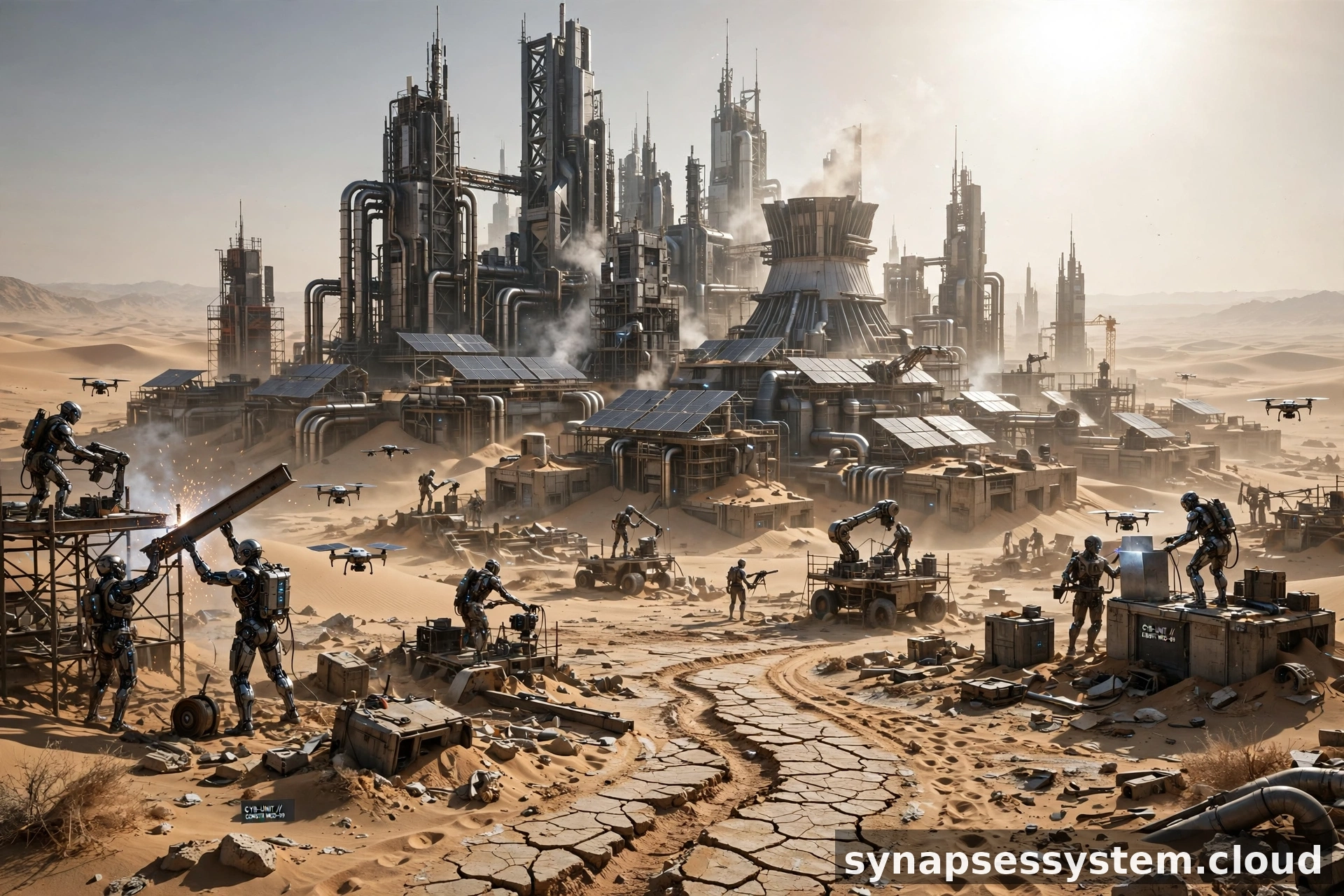
Can Our Governance Keep Pace?
Climate change is arguably the most pressing systemic risk of our time. This post examines how existing governance frameworks struggle to address this complex, long-term, multi-scalar challenge effectively. We’ll explore the limitations of current international agreements, national policies, and local implementation in tackling a crisis that requires unprecedented global cooperation and rapid, coordinated action.
- Inter-generational and Inter-species Equity: Climate change impacts future generations and non-human species in profound ways. Our current governance structures, focused heavily on immediate, measurable returns for the present population, are ill-equipped to address these long-term, cross-cutting responsibilities effectively. Synapse’s ability to model long-term consequences and understand complex ethical implications could provide tools for better intergenerational planning.
- Global Coordination Impasse: Climate change requires coordinated action across borders, yet national interests often conflict with global goals. International treaties are slow to form and lack enforcement power. Synapse’s potential for cross-border data analysis and modeling could inform more effective negotiation strategies and help track global progress towards shared goals.
- The Scale of Transformation Required: Addressing climate change necessitates a fundamental transformation of entire economic and social systems. Current governance tends to manage within existing frameworks, not drive the radical change needed. Synapse, as a system designed for complex system management, could potentially help model pathways for this transformation and identify potential roadblocks.
- Anticipating Cascading Failures: Climate change can trigger cascading effects (e.g., melting permafrost releasing methane, extreme weather disrupting supply chains). Governance needs frameworks to anticipate and manage these complex interdependencies. Synapse’s predictive modeling capabilities could be invaluable here, simulating scenarios and identifying vulnerabilities.
- The Role of Technology (and Governance of it): Solutions like carbon capture, advanced nuclear power, or sustainable agriculture rely heavily on technology, which itself needs careful governance (as discussed in Post 3). Synapse can help manage the complex interactions between technological development, deployment, and their environmental and societal impacts.
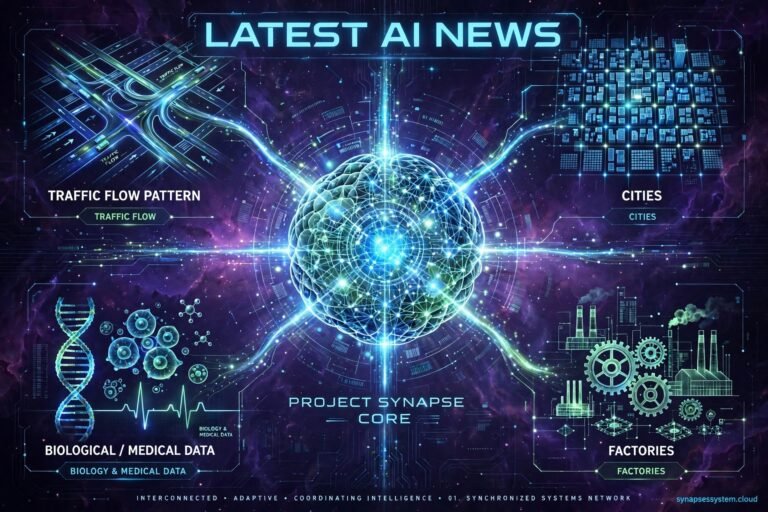
The scale and complexity of the climate crisis demand a governance revolution. Current frameworks are proving insufficient. While Synapse System isn’t a panacea, its design principles – for managing complexity, ensuring accountability, and enabling intelligent adaptation – offer a promising foundation upon which future, more effective climate governance systems could be built.