The Increasingly Critical Conversation in the Global AI Community.
As AI systems become more powerful and pervasive, the international AI community is grappling with profound ethical and governance challenges. This isn’t just an academic exercise; it’s becoming a critical factor influencing the trajectory and societal acceptance of artificial intelligence.
The Ethical Imperative: Beyond Performance
The rapid pace of AI development has outstripped our ability to fully understand and manage its societal impacts. Key ethical concerns include:
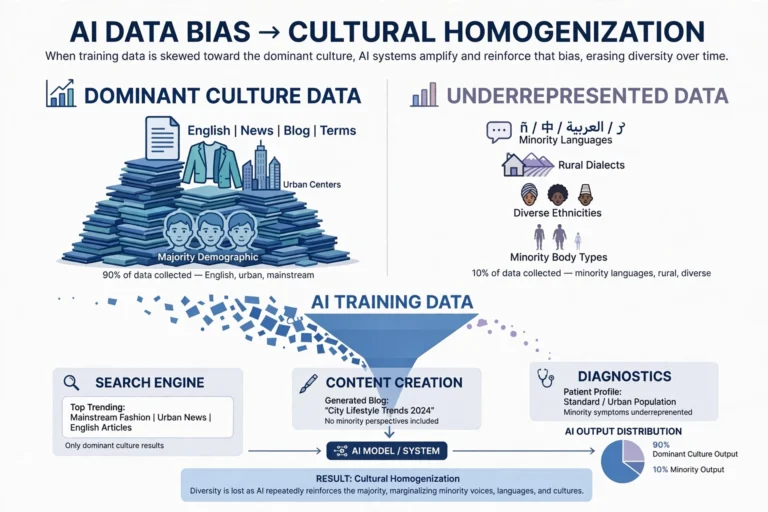
- Bias and Fairness: AI systems can perpetuate and even amplify existing societal biases present in training data, leading to unfair outcomes in areas like hiring, lending, and law enforcement. Ensuring fairness is a major research focus.
- Transparency and Explainability (XAI): “Black box” AI models, whose decision-making processes are opaque, raise concerns about accountability and trust, especially in critical applications like healthcare or autonomous vehicles.
- Privacy: AI systems often require vast amounts of data, raising serious privacy concerns about data collection, usage, and protection. Techniques like federated learning and differential privacy are being actively researched.
- Security: AI systems themselves can be targets of attacks, and malicious use of AI (e.g., deepfakes, autonomous weapons) presents significant security risks.
- Job Displacement and Economic Impact: Automation driven by AI could significantly impact the job market, requiring proactive societal strategies.
- Autonomy and Control: As AI agents become more capable, questions arise about who is responsible when things go wrong, and the potential for loss of human control over increasingly autonomous systems.
Governance: Frameworks and Regulations Taking Shape
Recognizing the need for structure, governments and international bodies are moving towards frameworks and regulations. The EU’s AI Act is a landmark effort, proposing a risk-based approach to AI regulation. Other regions are following suit or developing their own frameworks. Industry consortia and academic groups are also developing voluntary guidelines and best practices.
A Call for Global Consensus
The challenge lies in developing ethical standards and governance frameworks that are effective yet adaptable across diverse legal and cultural contexts. There’s a growing call for international dialogue and cooperation to establish common principles and avoid a patchwork of conflicting regulations.
The Role of Responsible AI Development
Leading organizations, including Synapse Systems, are increasingly embedding responsible AI principles into their development processes. This involves conducting ethical impact assessments, implementing fairness testing, ensuring transparency where possible, and designing systems with privacy and security by default.
Conclusion
The global AI community is increasingly focused on ensuring that the development and deployment of AI align with human values and benefit society as a whole. Ignoring these ethical and governance challenges risks undermining the potential benefits of AI. Proactive engagement and collaboration are essential for navigating this complex landscape responsibly.