Trends, Challenges, and Collaborations.
The international AI community is a dynamic and rapidly evolving ecosystem, characterized by intense collaboration, fierce competition, and a shared drive for innovation. From the research labs of academia to the development teams in tech giants and the strategic initiatives of governments worldwide, the collective effort is reshaping industries and pushing the boundaries of what’s possible.
The Landscape: Collaboration and Competition Entwined
One of the most striking features of the global AI scene is the blend of open-source initiatives fostering collaboration and proprietary developments reflecting intense competition. Platforms like Hugging Face and OpenAI APIs provide accessible tools, while companies like Anthropic and DeepMind race to build the most advanced models. Academic institutions and research organizations across continents publish breakthrough findings, often sparking follow-up work in industry labs. International conferences, such as NeurIPS and ICML, serve as crucial hubs for knowledge exchange, bringing together thousands of researchers from diverse backgrounds.
Focus Areas Driving Global Efforts
- Foundation Models: The development and democratization of large-scale foundation models (like GPTs, LLMs, vision Transformers) remain a central focus, driving progress in natural language processing, computer vision, and beyond.
- Multimodal AI: Integrating different data types (text, images, audio, video) into coherent AI systems is a major research thrust, with significant implications for human-computer interaction and content understanding.
- Edge AI and Responsible Deployment: As models grow larger, there’s increasing focus on deploying AI efficiently at the edge (devices, not the cloud) and ensuring responsible development, addressing issues of fairness, transparency, and safety.
- AI for Social Good: Initiatives leveraging AI to tackle global challenges like climate change, disease diagnosis, and poverty alleviation are gaining momentum, showcasing the potential for positive impact.
Challenges Cross Borders
Despite the progress, significant challenges persist on a global scale:
- Regulation and Governance: The need for international standards and regulations to govern AI development and deployment is becoming urgent. The EU’s AI Act is setting a precedent, prompting discussions and regulatory efforts worldwide. Synapse Systems actively monitors these developments to ensure our solutions are compliant and forward-looking.
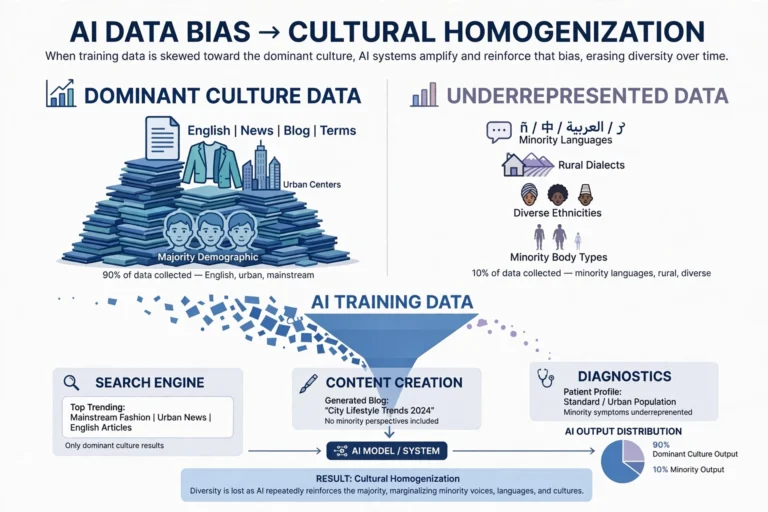
- Ethical AI: Ensuring AI systems are fair, unbiased, explainable, and respect user privacy remains a critical concern, requiring ongoing research and ethical frameworks developed collaboratively.
- Skills Gap: A global shortage of AI talent is a bottleneck, driving initiatives to improve education and training programs worldwide.
- Geopolitical Tensions: Competition between major powers influences AI research funding, export controls, and talent acquisition, adding a layer of complexity to global collaboration.
Synapse Systems’ Perspective
At Synapse Systems, we recognize the importance of engaging with the international AI community. By staying informed about global trends, participating in relevant forums, and collaborating with partners and researchers worldwide, we aim to develop intelligent automation solutions that are innovative, responsible, and effective across diverse contexts. Understanding the global pulse of AI is crucial for our clients navigating this transformative landscape.
Looking Ahead: The future of AI is intrinsically linked to international cooperation. While challenges exist, the shared goal of harnessing AI’s potential responsibly requires continued dialogue and collaboration across borders.