Towards Intelligent, Adaptive Systems
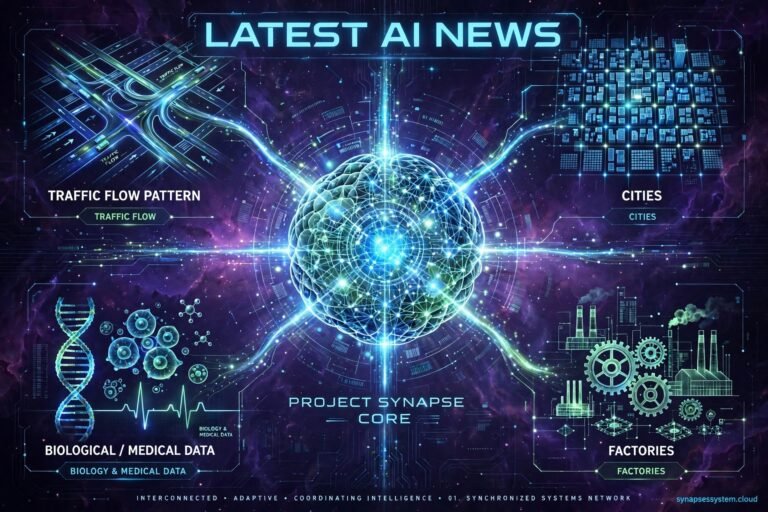
Having laid out the problems with current governance, this post outlines a vision for the future: Governance 2.0. We explore how systems like Synapse can form the bedrock of a new paradigm – one that is more intelligent, adaptive, anticipatory, and intrinsically focused on managing complex systems for the benefit of all stakeholders, both human and artificial. Synapse is presented not just as a tool, but as a potential operating system for the future.
- From Static Rules to Dynamic Adaptation: Governance 2.0 moves beyond fixed rules to systems that can adapt to changing circumstances in real-time, based on data and predefined principles. Synapse, with its ability to process information and apply logic dynamically, is well-suited for this purpose.
- The Power of Prediction: Anticipating problems before they happen is key. Synapse’s predictive capabilities, applied ethically and transparently, can help societies prepare for crises, allocate resources effectively, and design proactive policies.
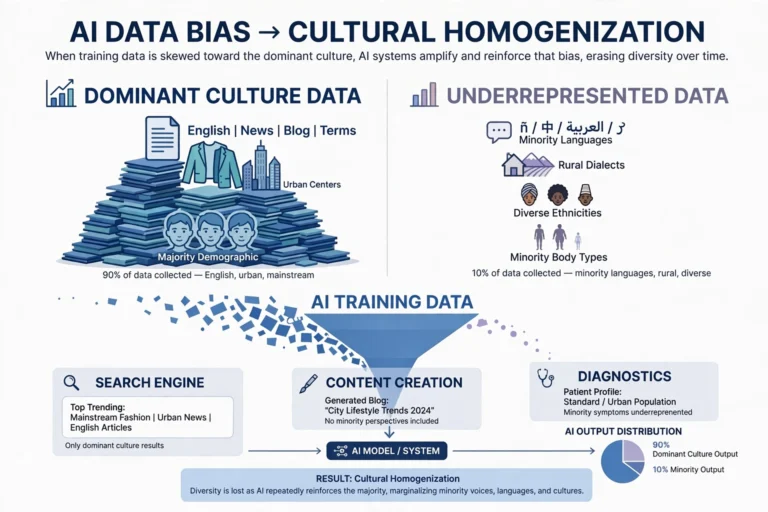
- Ethical By Design: Rather than trying to bolt ethics onto technology, it must be woven into its fabric. Synapse’s architecture allows for the embedding of ethical principles and bias mitigation directly into its core logic, making systems more trustworthy.
- Enhanced Human Oversight: Governance 2.0 does not replace humans; it empowers them. By automating routine tasks and providing clearer insights, Synapse frees humans to focus on higher-level ethical deliberation, creative problem-solving, and strategic decision-making.
- The Foundation for Future Systems: Synapse represents a step towards creating the foundational layer of intelligent systems needed for complex governance. Its evolution will depend on how we, through governance itself, shape its development and ensure it aligns with human values and priorities.
The challenges we face are unprecedented in their complexity. Our governance systems must evolve to meet them. Governance 2.0, enabled by intelligent systems like Synapse, offers a glimpse into a future where managing complexity is not an obstacle, but a strength. It requires bold thinking, careful ethical navigation, and a commitment to continuous improvement. The future of governance is intelligent, and the time to start building it is now.