Understanding the High-Stakes Competition in Artificial Intelligence.
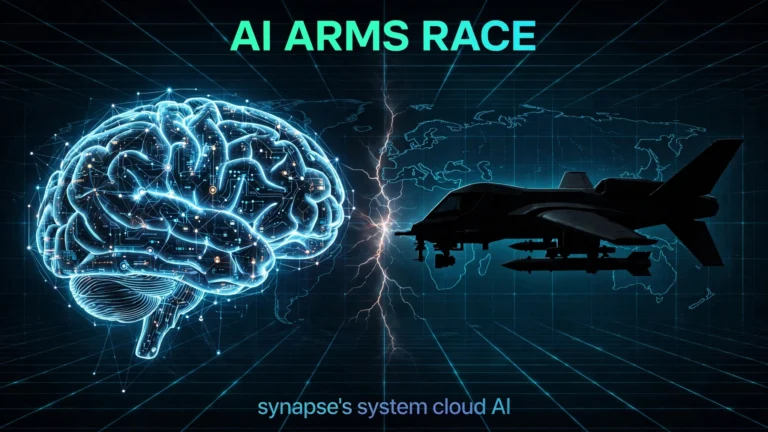
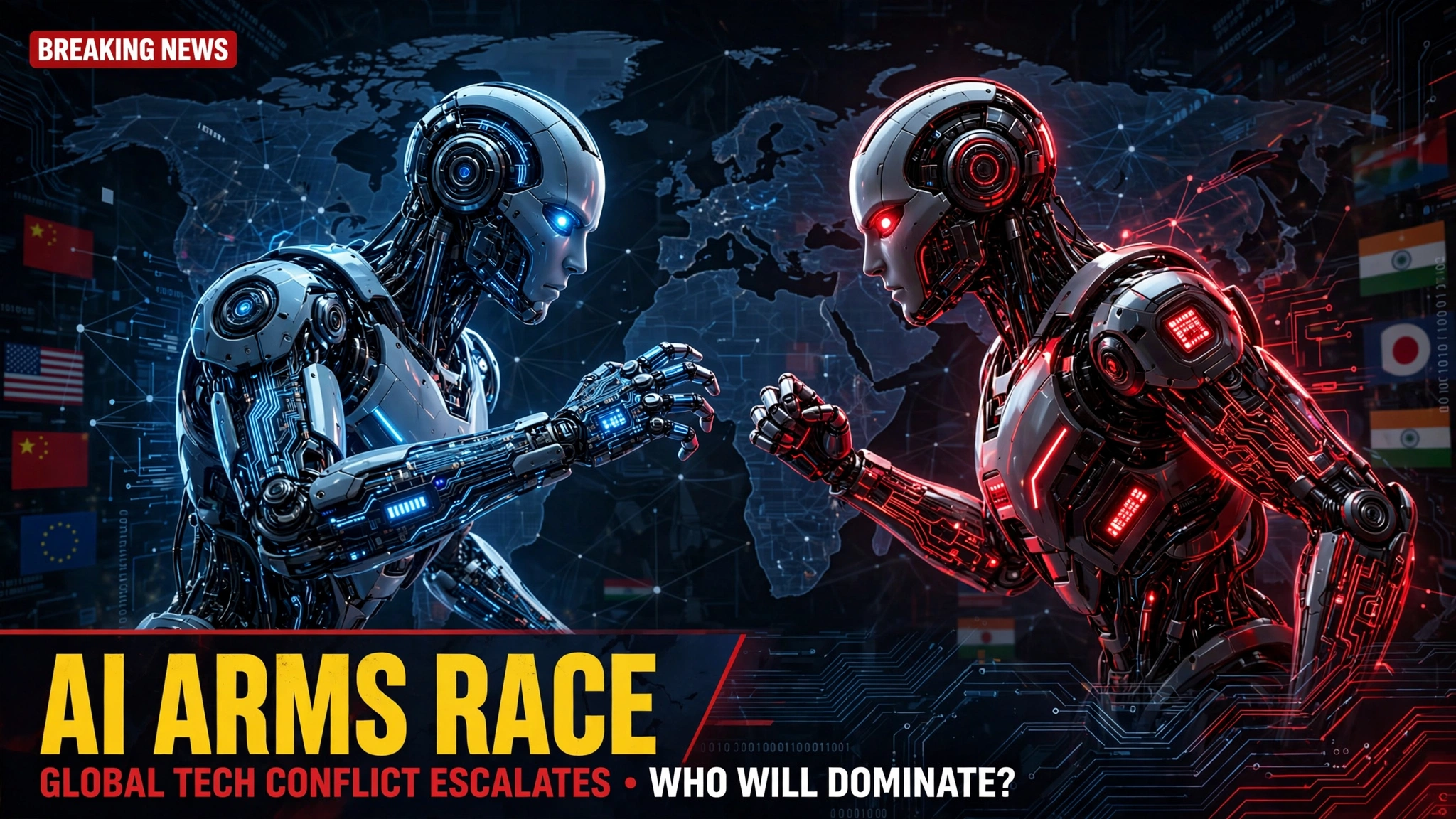
In recent years, a new kind of “arms race” has ignited, but this isn’t about missiles or tanks. It’s the AI Arms Race, a fierce and rapidly escalating competition among tech giants, research institutions, and even nations to develop increasingly powerful artificial intelligence systems. This race isn’t just about who can create the most advanced AI; it’s about who can build the first AI that surpasses human capabilities in specific, often critical, domains – posing profound questions about innovation, safety, and control.
What Fuels This Race?
The drivers behind the AI Arms Race are multi-faceted:
- Corporate Dominance: Companies like Google (Gemini), OpenAI, Anthropic (Claude), Meta (Llama), and Chinese tech behemoths are investing billions to be the undisputed leader in AI capabilities. Faster development means market advantage, user base growth, and significant profits.
- National Security & Strategic Importance: Governments worldwide view AI as a critical strategic asset. The ability to develop superior AI for defense applications, cyber warfare, intelligence analysis, and economic competitiveness fuels a geopolitical dimension to this race.
- Moore’s Law & Computational Power: Advances in computing hardware, particularly GPUs and TPUs, have dramatically reduced the cost and time required to train complex AI models. More compute power fuels faster innovation cycles.
- Breakthroughs in AI Research: Milestones like AlphaFold (protein folding), DALL-E (image generation), and advancements in Large Language Models (LLMs) demonstrate AI’s potential, raising ambitions and spurring others to achieve similar or greater results.
- “Fear of Falling Behind”: The “move fast and break things” mentality, amplified by public hype, creates immense pressure on competitors to constantly push the envelope.
Key Areas of the AI Arms Race:
The competition manifests in various ways:
- Model Capabilities: Striving for larger model sizes, higher context windows, better reasoning, multimodal understanding (text, image, audio), and specialized task performance.
- Training Efficiency: Developing algorithms and hardware accelerators that require less data or computational power to achieve the same level of performance.
- Safety & Alignment: Ironically, ensuring AI systems are safe, controllable, and aligned with human values is also a critical battleground. Who can build AI that is powerful and responsible first? This is arguably one of the most high-stakes aspects of the race.
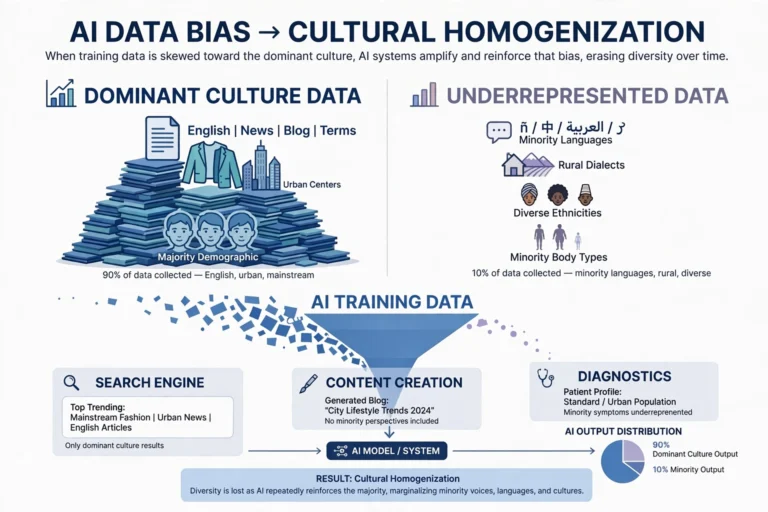
- Data Acquisition: Securing vast amounts of high-quality training data remains a significant advantage.
- APIs & Accessibility: Offering powerful AI tools via APIs creates dependencies and extends reach, becoming a strategic asset itself.
The High Stakes: Implications Galore
This intense competition carries significant weight:
- Potential for Uncontrolled Escalation: The pressure to be first can lead to risky development practices or deployment of untested AI, increasing the chance of unforeseen consequences.
- AI Safety Concerns: Rapid advancement outpacing safety research increases the risk of deploying AI systems that are unstable, misaligned, or capable of harmful autonomous actions (the “control problem”).
- Ethical Dilemmas: The race can overshadow ethical considerations, leading to biased AI, misuse (e.g., deepfakes, targeted disinformation), and exacerbation of social inequalities.
- Geopolitical Tensions: The strategic value of AI capabilities can strain international relations, leading to export controls, trade restrictions, and potential future conflicts.
- Economic Disruption: Winners in this race gain immense economic power, while the losers could face obsolescence across various industries.
Conclusion: Navigating the AI Arms Race
The AI Arms Race is a defining feature of the current technological landscape. While fierce competition often drives innovation, the unique nature of AI development – where capabilities can rapidly shift the balance of power – demands careful navigation. Understanding this race is crucial for developers, policymakers, and the public alike. At Synapse System, we are deeply engaged in this field, committed to pushing the boundaries of AI while prioritizing responsible development and deployment.