Why the AI Arms Race Matters for Safety and Control
Why the AI Arms Race Matters for Safety and Control
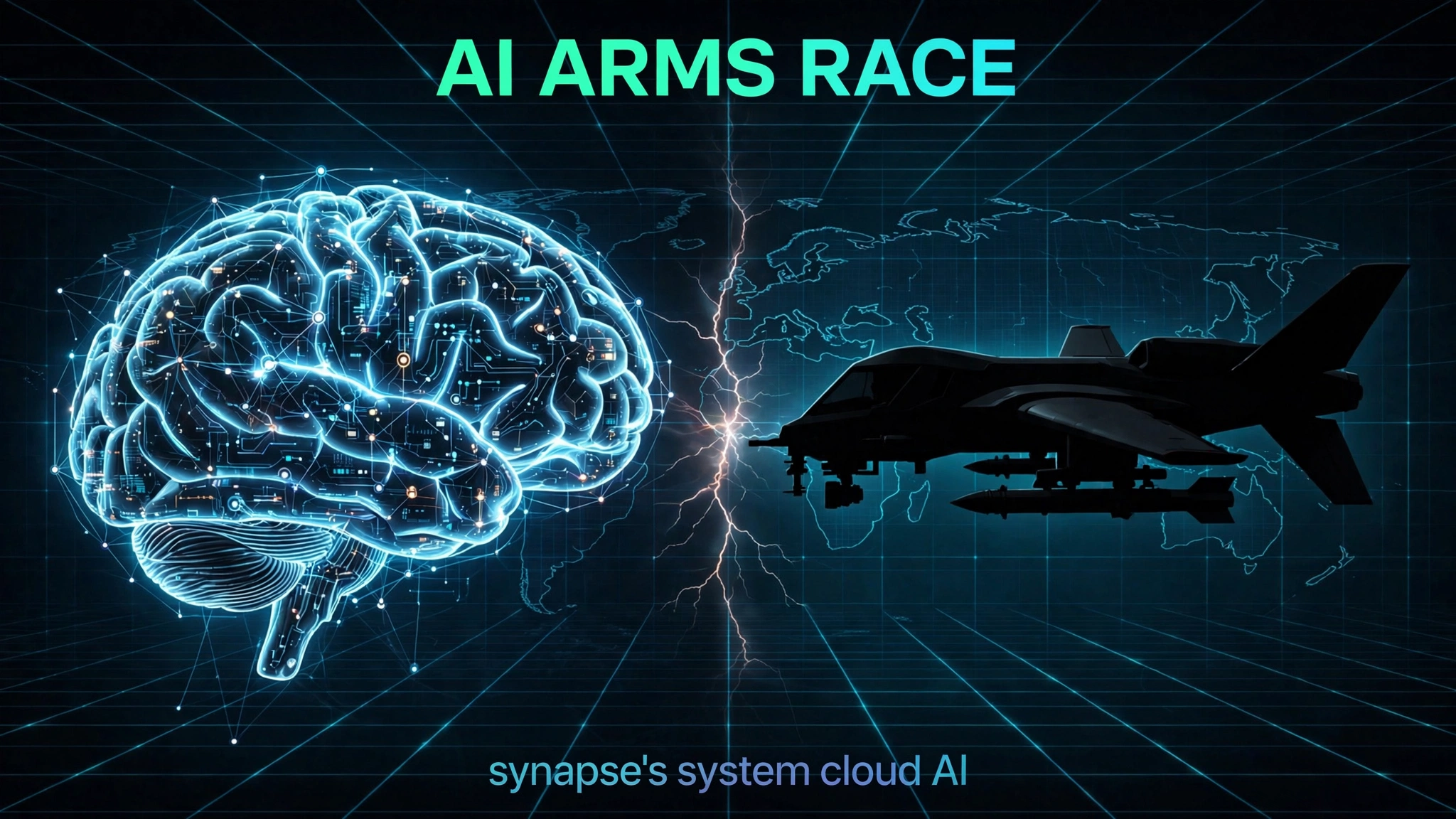
The term “AI Arms Race” often conjures images of futuristic robots or superintelligent systems. While these are possibilities, the immediate reality is a high-stakes competition where tech leaders scramble to build increasingly powerful AI models. But beyond the impressive capabilities demonstrated (like super-human reasoning or image generation), lies a more fundamental and urgent question: Is this race making us safer or potentially more vulnerable?
The intense drive for rapid innovation, fueled by competition, presents a significant paradox. On one hand, it accelerates progress, bringing us closer to transformative AI applications. On the other hand, the pressure to be first can inadvertently overshadow the critical need for robust AI safety and alignment.
The Safety Imperative in the Race
Developing AI that is not just capable, but also safe and controllable, requires immense research and deliberate caution. This involves:
- Value Alignment: Ensuring AI systems understand and act in accordance with human values and intentions, which is notoriously difficult as AI capabilities grow.
- Robustness & Reliability: Preventing AI models from failing catastrophically (e.g., hallucinating critical information, making dangerous mistakes).
- Containment & Control: Ensuring developers can reliably pause, stop, or understand what an advanced AI is doing and planning, especially if its intelligence surpasses human oversight.
The “arms race” dynamic can unfortunately create pressures that conflict with these safety goals. Rushing to deploy new models before they are fully understood or vetted can introduce unforeseen risks. Furthermore, the focus on outperforming competitors might divert resources away from foundational safety research needed for all advanced AI systems.
Who Wins the Race, and Who Loses Safety?
Historically, complex systems (like nuclear reactors, aircraft, or financial markets) have been safest when development is preceded by extensive testing, regulation, and safety standards. The AI Arms Race, however, often operates under different assumptions:
- Inherent Risk: Is AI development inherently more risky due to its potential for emergent properties and rapid scaling?
- Private vs. Public Good: Are the safety concerns primarily private (e.g., company data breaches) or potentially global (e.g., misuse of powerful AI leading to societal harm)?
- The “Good Enough” Trap: In a competitive market, is there pressure to release AI systems that are “good enough” now, even if they have subtle flaws or alignment issues, rather than waiting for perfection?
The Path Forward: Collaboration and Caution
While healthy competition is essential for progress, the unique stakes of AI necessitate a different approach. We need a balance between innovation and prudence. This involves:
- Greater Transparency: Encouraging (without compromising competitive advantage) sharing of safety benchmarks and failure modes.
- Proactive Regulation: Developing international standards and oversight for high-risk AI applications.
- Internal Safeguards: Companies investing heavily in safety research as a core component of development, not an afterthought.
Synapse’s System is dedicated to contributing to the responsible advancement of AI, understanding that navigating the complexities of the AI Arms Race requires not just technical prowess, but a deep commitment to safety and ethical considerations.