The Unspoken Achilles’ Heel of Military AI. Tech Conferences, Defense White Papers, Academic Journals.
Beyond the Buzzwords: The Hard Reality of AI Ethics
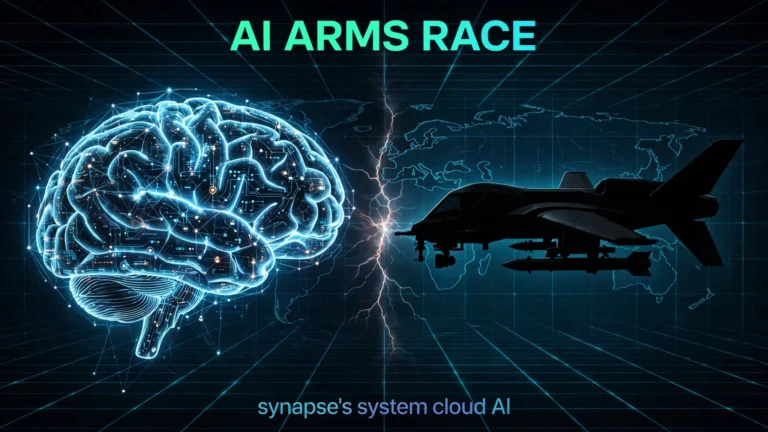
As nations race to deploy AI in military contexts, the critical issue of AI ethics is often sidelined by the quest for speed and capability. While technical prowess is essential, the ethical implementation and oversight of AI systems are rapidly becoming a central challenge, not just a philosophical debate. Concepts like “Explainable AI” (XAI), bias mitigation, and human oversight are no longer optional extras but fundamental requirements for responsible military
AI.
The XAI Imperative
One of the biggest hurdles is the “black box” problem. Many powerful AI models operate with unclear decision-making processes, making it impossible for human operators to understand why an AI made a specific recommendation or action, especially in life-or-death military scenarios. The DoD’s emphasis on XAI is a step in the right direction, aiming to develop AI that can articulate its reasoning clearly. However, progress in truly robust XAI for complex military tasks remains limited. Without understanding the rationale, trust is low, and accountability becomes murky.
Bias and Fairness in Life-Critical Systems
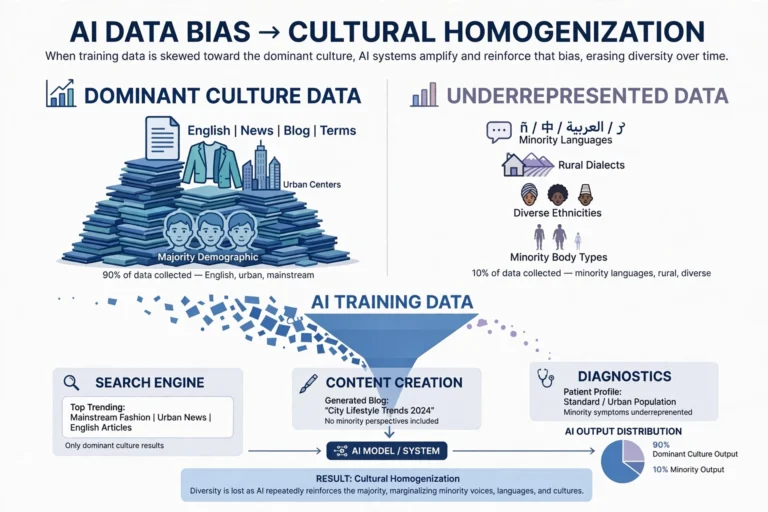
Military AI systems trained on biased data (e.g., biased surveillance imagery, historical combat data reflecting societal prejudices) risk inheriting and amplifying those biases. This could lead to erroneous targeting, misidentification of threats, or discriminatory outcomes, with catastrophic consequences. Ensuring fairness, particularly in targeting algorithms, is a complex technical and social challenge requiring constant vigilance and diverse training data.
The “Meaningful Human Control” Debate
As AI becomes more autonomous, the line blurring between human decision-makers and AI proxies raises profound questions. Who is responsible when an AI system makes a fatal error? Does sufficient human oversight exist? The debate over “meaningful human control” is intense. Critics argue that true control is impossible if the AI operates faster and with more information than humans, potentially leading to unintended consequences or strategic surprise.
A Race Towards Irreversible AI?
The pressure to deploy AI quickly often conflicts directly with the need for thorough ethical review and safety testing. There’s a risk that powerful, untested, or poorly understood AI systems could be fielded before adequate safeguards are in place, potentially leading to unforeseen and irreversible negative outcomes in conflict situations.
Synapse Systems Perspective: At Synapse Systems, we are deeply committed to developing AI that is not only powerful but also trustworthy and ethical. Our focus on creating explainable, auditable, and robust AI models is core to our mission. We believe that embedding ethical considerations from the ground up, during the design and development phases, is the only way to ensure military AI serves its intended purpose responsibly. We actively engage with the research community and industry bodies to advance best practices in ethical AI development.
Questions for Readers:
- How can we practically measure and verify “meaningful human control” in increasingly autonomous military AI systems?
- What role should independent bodies (like international panels or ombudsmen) play in overseeing the ethical deployment of military AI?