From Theory to Ticking Clock? Tech Conferences, Ethics Roundtables, Defense Acquisition Workshops.
Bridging the Gap: From AI Ethics Principles to Battlefield Reality
Over the past year, defense departments globally have issued numerous AI ethics principles – emphasizing humanity, responsibility, transparency, and accountability. However, translating these lofty ideals into practical guidelines for high-stakes, high-pressure combat environments remains a significant challenge. The speed of AI development often outpaces the development of effective oversight and control mechanisms.
Key Ethical Dilemmas in Practice
Real-world deployment introduces unique ethical complexities:
- Autonomous Weapons & Lethal Autonomy: The line between “decision support” and “autonomous action” is blurry. Ensuring meaningful human control over life-and-death decisions, especially in chaotic urban warfare where rules of engagement are complex, is a core ethical challenge. Malfunctions or hacking of autonomous weapon systems could lead to catastrophic unintended consequences.
- Explainability (XAI) in High Stakes: Explainable AI (XAI) is crucial for trust and ethical accountability. However, in the fog of war, time is critical. Can complex XAI explanations be provided and understood instantly when split-second decisions are needed? There’s a tension between the need for rapid AI-driven action and the need for transparency and accountability.
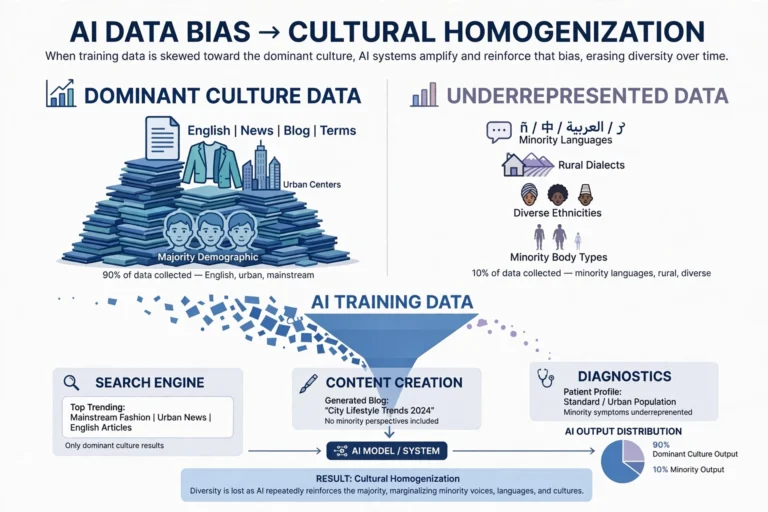
- Data Bias and Discrimination: Military AI systems trained on biased data could make discriminatory decisions regarding targeting, threat assessment, or even personnel selection. Ensuring fairness and avoiding algorithmic bias is critical, especially given the diverse populations and environments military operations often involve.
- Dual-Use and Escalation Risks: As mentioned, AI technologies developed for defense can easily be repurposed for offensive cyber operations or disinformation campaigns, lowering the threshold for conflict. The very autonomy AI brings could accelerate escalation dynamics.
The Role of Technology Companies and Civil Society
Technology companies developing AI tools for defense contractors face immense pressure to ensure their products are ethically sound and secure. Calls for “AI Audits” and stricter engagement policies from companies like Synapse Systems are growing. Civil society organizations are increasingly scrutinizing defense AI contracts and advocating for stronger ethical guidelines and transparency.
A Race Against Time
The urgency is palpable. As AI capabilities advance rapidly, the time to establish robust ethical frameworks, develop effective oversight mechanisms (both national and international), and foster transparency is running out. The consequences of deploying unvetted, unethical, or unstable AI systems in military contexts could be profound and unforeseen.
Looking Ahead: Embedding Ethics Early
The most promising approach involves embedding ethical considerations earlier in the AI development lifecycle – during research, design, and testing, not just as an afterthought. This requires close collaboration between ethicists, technologists, military strategists, and policymakers.
Questions for Readers:
- What specific metrics or testing protocols could be used to evaluate the ethical performance of military AI systems?
- How can we ensure that ethical guidelines for military AI are globally consistent, especially when geopolitical tensions exist?