A Watershed Moment for Military Transformation.
Location: Washington D.C., Global Tech Hubs
The Core Shift: AI as a Strategic Imperative
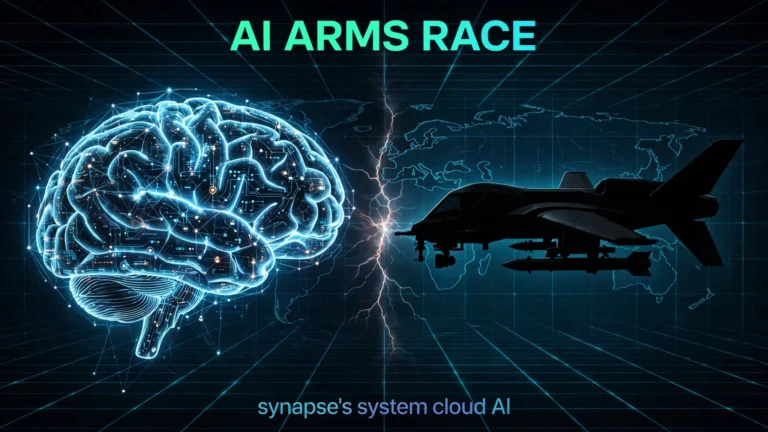
The United States Department of Defense (DoD) is poised for a significant escalation in its commitment to Artificial Intelligence (AI), with leaked documents outlining a comprehensive strategy that signals a fundamental shift in military doctrine. Dubbed “AI Strategy 2026,” the plan reportedly calls for tripling AI research and development funding over the next five years, integrating cutting-edge AI capabilities across all military services at an unprecedented pace.
H2: Beyond Drones: Ubiquitous AI for Battlefield Dominance
While AI-powered autonomous systems (like advanced UAVs and potentially unmanned ground vehicles) grab headlines, the leaked strategy emphasizes a more pervasive application. Key areas highlighted include:
- Data Fusion & Decision Support: AI algorithms will process vast amounts of sensor data (satellite imagery, signals intelligence, cyber threats, drone feeds) in real-time, providing commanders with enhanced态势感知 (situational awareness) and near-instantaneous decision support, reducing cognitive load in complex combat scenarios.
- Predictive Maintenance: AI-driven predictive analytics will anticipate failures in critical military hardware (aircraft engines, ship propulsion systems, vehicles) significantly reducing downtime and maintenance costs.
- Cybersecurity Enhancement: AI will be crucial for identifying and countering sophisticated cyber threats, including deepfake disinformation campaigns and automated attack vectors, bolstering the DoD’s cyber defense capabilities.
- Logistics Optimization: Optimizing supply chain management, predicting equipment needs, and dynamically re-tasking assets using AI could revolutionize military logistics, ensuring resources are where they’re needed most efficiently.
The Global Rival: China’s Simultaneous Push
Amidst this US push, leaked reports from Chinese state media and expert analyses indicate China is pursuing parallel, and potentially faster, advancements in military AI. China emphasizes AI-driven capabilities in hypersonic missiles, sophisticated electronic warfare, and unmanned systems. The competition isn’t just about quantity but also qualitative leaps, such as developing AI for autonomous counter-space operations and advanced cyber-offensive capabilities. This intense bilateral competition frames the global AI military narrative.
Challenges and Ethical Quandaries
Despite the strategic urgency, the path is fraught with challenges. Integrating AI into existing legacy systems is technically difficult and costly. Ensuring the robustness, security, and safety of AI systems in high-stakes, unpredictable combat environments remains a critical concern. Perhaps most controversially, the strategy touches upon the use of AI for autonomous targeting, raising profound ethical questions and international outcry regarding “killer AI.” Oversight
frameworks and international dialogues are increasingly seen as essential but lagging elements of this rapid technological adoption.
Synapse Systems: Contributing to Responsible AI
At Synapse Systems, we recognize the immense potential of AI for national defense and security applications. Our focus on developing robust, explainable, and secure AI solutions aligns with the need for trustworthy technology. While the global AI military landscape is rapidly evolving, responsible innovation, guided by clear ethical principles and international cooperation, will be crucial to harnessing AI’s benefits while mitigating its inherent risks.
Questions for Readers:
- How can international agreements effectively govern the development of military AI without stifling necessary innovation?
- What specific ethical guardrails are needed for AI systems making critical targeting or defensive decisions?